Tag: PTSD

  • Diagnose Headache Types from Headache Chart

    Diagnose Headache Types from Headache Chart

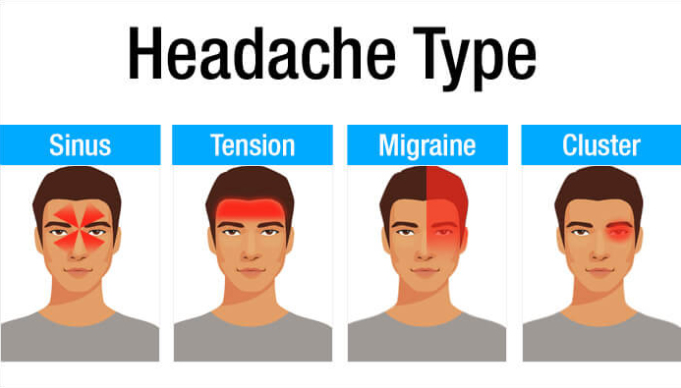
    From the Headache Chart We can Diagnose Headache Types and Identify the Type of Headache you suffer from . To make it easy different headache symptoms is discussed to help you diagnose your headache type easily .

    Do you know that there are various types of headaches that are caused in a person? Many of us are familiar with various form of the throbbing, uncomfortable, and distracting pain of a headache. The World Health Organization points out that almost every individual experiences a headache once in a while. But it is very important to Diagnose Headache Types to treat it.

    Diagnose Headache Types from Headache Chart

    Even though headaches can be defined as pain in any area of the head, the cause, duration, and intensity of this pain can vary according to the different types of headache.

    In some cases, an individual suffering from headache may require immediate medical attention. And primary thing to treat headache is to Diagnose Headache Types to cure it . One must seek immediate medical care if he/she is experiencing any of the following alongside your headache:
    • Stiff rigid neck
    • Rash
    • Unbearable headache
    • Vomiting
    • Confusion
    • Slurred speech
    • Any fever of 100.4°F (38°C) or higher
    • Paralysis in any part of your body or visual loss

    Here are various types of headache one may suffering from ,read on to learn how to identify the type of headache you may be experiencing and how you can Diagnose Headache Types to ease your symptoms.

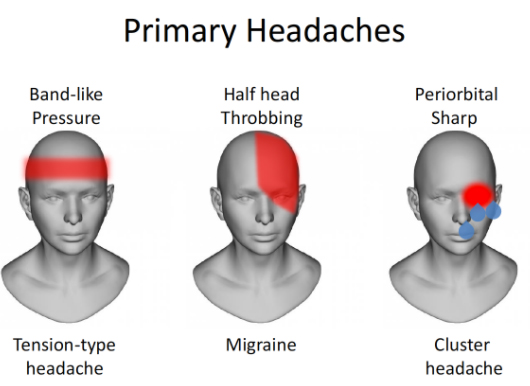
    Primary headaches

    Primary headache happens not because of any other conditions it is a headache that happens just because of the condition of headache itself .

    While secondary headache happens when a person has some other health condition that causes headache , say imbalance in hormone during periods or pregnancy that triggers headache those are all secondary headache.

    These headaches can be either episodic or chronic:

    • Episodic headaches

    Episodic headaches may occur often or even just once in a while. This kind of headache can last somewhere from half an hour to several hours.
    • Chronic headaches

    Chronic headaches are more consistent and regular. They happen to occur frequently on most day on a month & sometimes this chronic headaches can last for several days . In these cases, a pain management plan is necessary to observe.

    Read Also : Neurological Botox Treatment that really Works as Miracle

    Tension headaches

    This kind of headache can often occur when a person is in stressful situation or in tension. You may feel a dull, aching sensation all over your head. It isn’t throbbing. Any individual can suffer from tension headache, and they’re often triggered by stress.

    Symptoms Of Tension headaches

    •  You might feel sensitivity caused around your neck forehead, scalp, or shoulder muscles .

    Read Also : Obstructive sleep apnea treatments ,therapies that really works

    Cluster headaches

    Cluster headaches are another type of headache that is characterized by:

    • severe burning
    • piercing pain

    They occur around or behind one eye or on one side of the face at a time.
    Symptoms of Cluster headaches includes –

    • Sometimes swelling
    • Redness
    • Flushing
    • Sweating can occur on the side that’s affected by the headache.
    • Nasal congestion
    • Eye tearing also often occur on the same side as the headache.

    Read Also : Nonstimulant Therapy Side effects and specifications

    Every individual headache can last from 15 minutes up to three hours. Most people experience one to four headaches in a day, usually around the similar period of time every day that one can observe, during a cluster.

    Cluster headaches are more common in the spring and fall season. They are also three times more common in men.

    Migraine 

    Migraine pain is mostly identified in a person that causes an intense pulsing from deep within your head. Migraine pain can last for days in a person. The migraine headache considerably limits your ability to work and carry out your daily routine activities. Migraine headaches are throbbing and usually one-sided. People with migraine headaches are often sensitive to raise of light and sound.

    Migraine headaches symptoms include –

    • Nausea and vomiting also usually occur
    • flashing lights
    • shimmering lights
    • zigzag lines
    • stars
    • blind spots
    • Auras can also include tingling on one side of your face or in one arm and trouble speaking.
    • However, migraine symptoms may be alike as stroke symptoms , don’t ignore it but take a medical check up immediate.

    Women are three times more likely to develop migraines than men. People with post-traumatic stress disorder also have an increased risk for migraine headache.

    Some of the causes of migraine headaches are even associated with certain environmental factors, such as sleep disruption, dehydration, skipped meals, some foods, hormone fluctuations, and exposure to chemicals are common migraine triggers.

    Migraine treatments varies from person to person depending upon the migraine types.

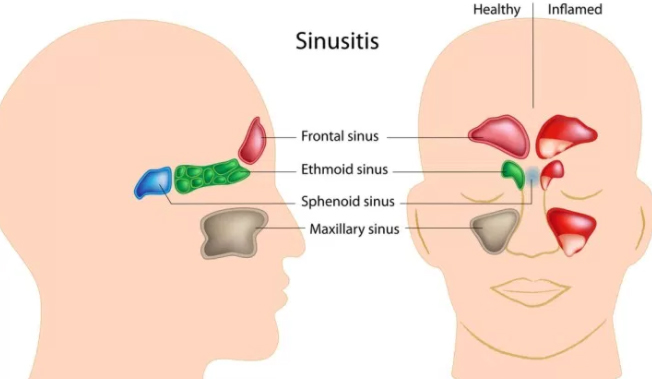
    Allergy or sinus headaches

    Sinus Headaches always is one of the complicated headache . And it is the most misunderstood or misdiagnosed headache . Because Migraine headache vs Sinus headache differentiating between them is quite tough . To a greater percentile sinusitis or asthmatic or allergic people headache are sinus headache .
    Hormone headaches

    Women usually experience headaches that are related to hormonal fluctuations like:

    • Menstruation
    • Birth control pills
    • Pregnancy all affects your estrogen levels, which can cause a headache.
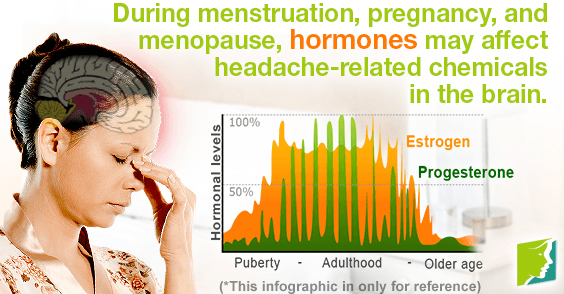
    Those headaches related specially with the menstrual cycle are also known as menstrual migraines which can occur right before, during, or right after menses, as well as during ovulation.

    Read Also : Menstrual Cups, a solution to the pad effect-Another Period

    Caffeine headaches

    Caffeine usually affects blood flow to an individual’s brain. Having too much of caffeine can give you a headache, as can quitting caffeine “cold turkey.” People who have regular migraines are at risk of triggering a headache due to their much caffeine use.

    An individual might get a headache if he/she doesn’t get their caffeine fix. It is not necessary that everyone who cuts back on caffeine will experience a withdrawal headache. So it is important to Keep your caffeine intake at a steady, reasonable level — or quitting it entirely — can prevent these headaches from happening.

    Read Also : Dangerous Teabags – Brands making you Sick with Healthy Label

    Read Also : Tea Vs Coffee – The Best Energy Drink Motivating Healthy Life

    Exertion headaches

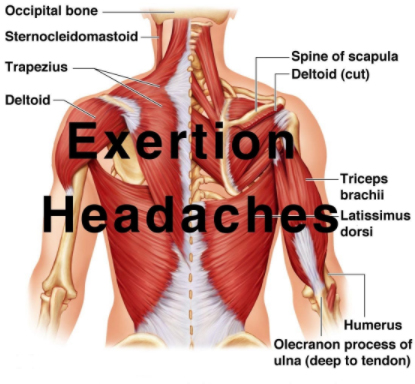
    Exertion headaches happen quickly after intense physical activity that triggers for an exertion headache like:
    • Weight lifting
    • Running
    • sexual intercourse
    • These activities causes increase in blood flow to your skull, which can lead to a throbbing headache on both sides of an individual’s head.

    Read Also : TMJ Headache Must be Treated – Symptoms & treatments

    Hypertension headaches

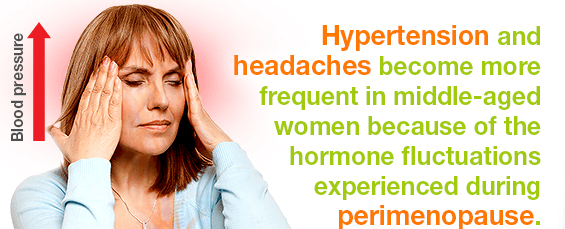
    People with High blood pressure can have a headache, and this kind of headache signals an emergency diagnose. Hypertension headaches occur when your blood pressure goes high.
    Symptoms:

    • A hypertension headache usually occur on both sides of an individual’s head.
    • You may also experience changes in vision, numbness or tingling, nosebleeds, chest pain, or shortness of breath.
    • if you’re treating high blood pressure are prone to this type of headache.

    Read Also : Reduce Stress in Busy lifestyle with this Excellent Lifestyle Hacks

    Rebound headaches

    Rebound headaches, also known as medication overuse headaches, can feel like:

    • dull
    • tension-type headache
    • they may feel more intensely painful, like a migraine

    Post-traumatic headaches

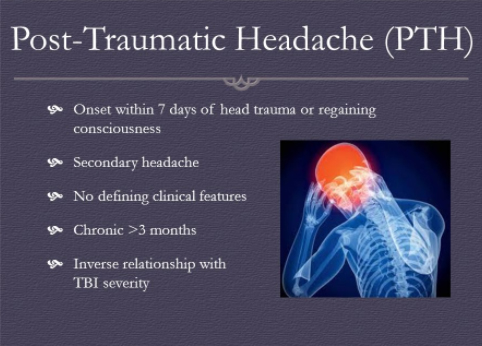
    Post-traumatic headaches can develop after any type of head injury occurred by an individual.These headaches feel similar to migraines or tension-type headaches, and usually last up to 6 to 12 months after your injury occurs that can become chronic.

    Read Also : PTSD symptoms – How serious is Post Traumatic Stress Disorder
    Hope this will help you to Diagnose Headache Types easily by understanding the symptoms of different type of Headaches. Once you identify the type of headache you suffer from you can easily start an effective headache treatment.
  • PTSD symptoms – How serious is Post Traumatic Stress Disorder

    PTSD symptoms – How serious is Post Traumatic Stress Disorder

    Today when i was going through some viral videos saw many people’s video about PTSD and how it affected their life.So thought of supporting the mission of helping those who suffer from this by making them aware about PTSD symptoms . Identifying is the first step to correct anything in life even if it’s a health issue or a personal fault.

    What is Post Traumatic Stress Disorder – PTSD symptoms

    Those who are hearing the word PTSD for the first time will wonder like what it is , so here we are going to detail about what exactly is PTSD .

    PTSD is just the abbreviated form of Post Traumatic Stress Disorder .It is estimated that about 20% of people in US who had gone through traumatic events in their lifetime are more likely affected by PTSD.

    PTSD -Post Traumatic Stress Disorder was initially known to be an anxiety disorder . Later it was found that the symptoms associated with PTSD is more than the symptoms that is associated with a normal anxiety disorder. Because PTSD is connected with the changes that happens in the functioning and structure of brain usually after a traumatic event experience .The changes in brain function and structure gives idea about the mode of origin , treatment and how to prevent this PTSD.

    PTSD is now classified as a psychological mental disorder that usually affects a person who survived a great traumatic situation in life. Some people show the symptoms of PTSD very soon after the incident while in some this is a slow fear development inside which will sometimes take a serious turn.

    How Common is PTSD -Post Traumatic Stress Disorder

    PTSD is nowadays very common as taking into account of 70% US people who experienced traumatic situations in life out of them 20% are found to be having PTSD symptoms .One out of every 9 women is likely to have PTSD. The chance of getting PTSD is more in women than in men . Like adults children are also found to have post traumatic stress disorder.

    Read Also : Reduce stress & anxiety with these amazing essential oils

    Who experiences PTSD -Post Traumatic Stress Disorder 

    People who recovered or survived from any traumatic incidents are likely to suffer from post traumatic stress disorder . Events like terrorist attacks , emotional losses, unexpected breakup , sudden death of beloved , assault , abuse , serious accidents , natural disasters,stressful life experience ,inherited mental health issues and risks ,temperament etc are the traumatic conditions that will develop post traumatic stress disorder in someone.

    Even soldiers face PTSD which is greater in proportion also rape victims are more likely to suffer from post traumatic stress disorder.

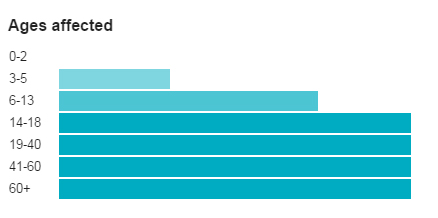
    If you ask like which age group affected by PTSD- post traumatic stress disorder. Then find the below image here you can see that even from the age of 3 yrs children are likely to suffer from PTSD and in the age group between 14-60+yrs the proportion of PTSD affected cases are almost same and the chances are equal.

    Do all who faced a traumatic / frightening situation will get PTSD ?

    Certainly no , because it’s very common for human to be emotional .Suppose you met with an accident suddenly or lost someone in life or had any ill experience. Being a human it is sure that you will find it difficult to cope up with the situation for a month. Slowly you can find yourself become normal to your life but still somewhere there will be a pinch of pain left. Suppose when you hear the name of the personal you lost , if you had an emotional attachment then surely you will cry . It is all very normal and you don’t have to get anxiety that whether you are having PTSD.

    It is not like that all traumatic situation will lead to PTSD . Those who are not recovered from traumatic incidents even after a month are like to suffer from PTSD.

    Causes or Reasons for PTSD (post traumatic stress disorder )

    Some incidents which can cause PTSD or be the reason for PTSD  can be listed out here

    • Genetic reasons
    • Loss of beloved
    • Survived from an attack
    • Survived from rape
    • Witnessed an accident
    • Seeing some ill incidents that causes fear
    • Terrorist attack
    • Unexpected betrayal
    • Physical abuse or sexual assault
    • Being kidnapped or under hostage
    • Natural disaster
    • Life threatening issues

    These are the major reasons for PTSD .

    Is it PTSD (post traumatic stress disorder ) Hereditary ?

    According to the research conducted there is minor chances of PTSD inherited. But the end result or the proper assurance that it is hereditary is not confirmed in scientific way.

    Read also : Obstructive sleep apnea treatments ,therapies that really works

    PTSD and memory power how it affects

    Those who suffer from PTSD will have their hippocampus affected due to stress associated with PTSD . Thus PTSD affects memory power of people by causing them short-term and long-term memory loss. Not just about memory they will tend to act very different in all aspects.

    They will either remember the incidents in parts but that will be their only memory in nightmares.

    Different Types of PTSD – post-traumatic stress disorder

    Most of them have mentioned only about three different types of PTSD . But there are mainly 5 different types of post traumatic stress disorder that is found in People.

    1. Normal Stress Response
    2. Acute PTSD
    3. Uncomplicated level of PTSD
    4. Comorbid PTSD
    5. Chronic level of PTSD

    One who suffers from normal stress response can recover within weeks . If someone has experienced a frightening situation it is very common to go through this phase of PTSD . In this they can feel emotional numbness, unreal feelings , very bad memories etc . This is very common and one can easily come out of this by describing the event and get relief .

    Acute PTSD can be said as the real beginning stage of PTSD where those who suffer from acute PTSD will show up panic reactions always , they tend to be disassociated , insomnia, mental confusions etc.

    Uncomplicated level of PTSD is when the person will start to re-experience the traumatic incidence . They will face emotional numbing and will tend to avoid incidence of trauma.

    Comorbid PTSD ,this is the common form of PTSD found in majority of the people. This type of PTSD will be associated with some other psychiatric issues also like stress , depression etc.Recovery from this kind of PTSD is possible only when both the disorder is treated.

    Chronic level of PTSD it is an extreme stress disorder also known as complex PTSD .This happens with those who had ill experience from childhood like sexual abuse in childhood etc.Those who suffer from chronic level of PTSD will have severe memory issues and will be involved in self-destructive measures.

    Top PTSD symptoms

    Here is the details about the PTSD  Symptoms that can be found in a person who is having this  post traumatic stress disorder. They will start showing symptoms soon after a month of traumatic incident if they are having PTSD.

    • Hyper arousal 

      Hyper arousal feeling like getting too much anger or fear towards certain situation is the PTSD symptoms that can be found in individuals soon after a month of recovery from any frightening situation. But it’s very normal to see people respond like too much frustrated for some weeks after a bad incident.



    • Self Alienation 

        Another PTSD symptoms that is generally found is the tendency of people to appear self alienated from events , feelings . They always tends to create a lonely space for themselves and start feeling detachment .

    • Flashbacks

    People who are having PTSD will definitely get flashbacks of the traumatic incident which will hurt them emotionally may be that can lead to increase their fear towards that situation. They may be afraid that it can be repeated in life so the flashbacks is a sign of PTSD.

    • Avoiding Situations that can bring back the memory of traumatic event

    They avoid the situations that can bring back the memories of the traumatic event . Suppose one had survived from a rape attack at night on a road. They get so panic even when seeing a movie that shows a lonely street in night .As memories of that traumatic incident will start to haunt them.

    • Hopeless Feel

    They suddenly feel hopelessness about life , they lack future plans. The positive vibe or the enthusiasm in them will be lost . If you see anyone showing such tendency then make sure they are getting a proper counselling . If still the counselling is not working you may start to see a doctor to diagnose PTSD .

    • Negative Feels

    Whatever you do they still feel negative about everything . Suppose they lost someone in electric shock they will be having full of negative thoughts related to that.Negativity to situations , people and themselves will be one of the key PTSD symptoms.

    • Short term memory loss

    People with post traumatic stress disorder will slowly face memory issue . They will suddenly become forgetful as the stress inside them will slowly affect the brain cells. So short-term memory loss is a sign of PTSD.

    • Frightening dreams

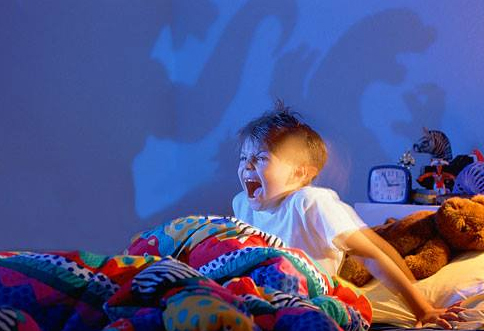
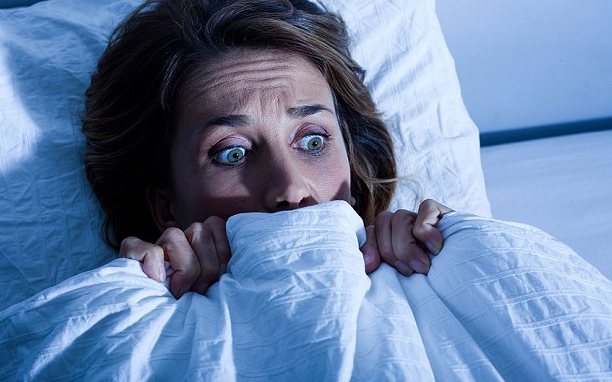
    People with PTSD symptoms are having one common sort of symptom that is frightening dreams which makes them feel afraid to sleep . The frightening dreams that makes them wake up in mid night and panic around is a symptom of PTSD. But it is very normal if it is up-to a month after a bad incident in life .

    • Sleeplessness

    Not able to sleep properly , feeling insomniac is common PTSD symptoms that is found in most of the people . They are sleepless over days and nights. Lack of proper sleep is common among people with all degree of stress or anxiety .

    • Physical problems

    Sudden respiratory issues and nausea , tiredness or lazy mood is also a symptom of PTSD. If these sort of physical problems exists more than a month it is strictly advised t consult a doctor to figure out your health condition.

    • Feeling guilty

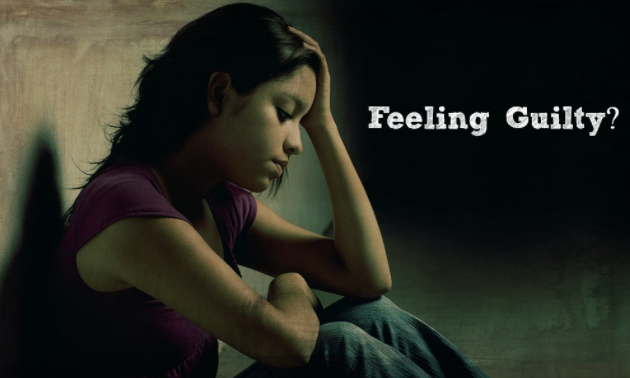
    The feeling of guilty can be a core reason in PTSD .One who survived from a traumatic incidence will always have a feel of why they survived it . They may start feeling guilt for surviving . PTSD patients generally have a mentality where they are hopeless and they have suicidal thoughts. So the worst part of PTSD symptom is to feel guilty.

    • Depressed state of mind

    Those people who had gone through worst life threatening incidents start to feel depressed. This will be followed with heavy weigh loss in those going through depression . This is not the sole sign of PTSD as depression can happen to any person at any stage of life.

    • Feeling high temper

    People with PTSD will get anger easily they tend to shout for even silly things . They would become destructive in nature . This form of anger will make them act worse thus increase their social alienation more in life.

    • Scary to move out

    They like to keep themselves locked its one of the PTSD symptoms that indicates they are scary to move out. They find themselves comfortable inside 4 walls this shows they are going to become self alienated soon. This happens mostly with people who had worst experience in life such as those who have seen someone’s unusual death , accidents , survivor of any tragedy .

    • Self harm and self destructive mentality

    They try to destroy them in the frustration of why they survived . It is mainly because of the guilt feeling that develops inside them unknowingly. They feel that they are not worthy enough to lead the life .

    • Nightmares

    You can hear some people say they are really afraid to fall asleep after a life threatening event . One reason is the scary nightmares that haunts them with the memories of the traumatic event.

    • Hallucination

    Hallucination is not the symptom to indicate you suffer from PTSD because hallucination is a symptom for many mental disorders in people including Parkinson’s disease ,schizophrenia etc. Suppose people who have been in wars and seen blood will tend to hallucinate blood in their hands , even they pretend to say they can smell something . If someone relates these hallucination to anything directly or indirectly which was associated with their any bitter experience in life then you should try to explore it. Because that can be sometimes a PTSD symptoms.

    • Distrust

    Some people who had survived from a bad relationship will have the general issue of trust when choosing the next partner. Not just this we all know in relationship starting to trust someone new is very tough for all of us. But when it comes to PTSD symptoms those who had a bad breakup will be mistrusting to believe in things. They always tend to live in an unreal and imaginable world they create around them.

    • Acute stress

    Stress level hikes in PTSD as people will find it difficult to cope up with stress . This stress really needs attention as this will destroy brain cells badly .Because PTSD symptoms never stand as single they will have multiple symptoms together thus every way the increased stress will affect the person’s brain cells.

    • Unwanted or suicidal thoughts

    Recently i happened to watch a video posted by a lady who lost her husband because of PTSD .She was unaware of the symptoms of PTSD which made her to now create awareness about this. She had a miscarriage which affected her husband badly which paved way for his suicide. Not only this case so many people who suffer from PTSD has the tendency to suicide as they are basically becoming hopeless about their life.

    • Headache

    Repeated headaches that just began after a worst incident in life and it exist even after a month then it is advised you should check with your doctor . Because sometimes it can be a PTSD symptoms but cannot assure that it must be a PTSD symptom. Even migraine can also trigger repeated headaches as people start missing the punctual time of food and change in their routine after a traumatic experience survival

    • Nervousness

    One of the early PTSD symptoms is to feel nervous about certain situation . Suppose a person who met with a car accident will feel nervous to drive again or to travel in-car. These sort of nervousness are generally found in people after a traumatic experience in life.

    These are the common symptoms that are found when a person has PTSD and it is advised to have an early look into this as PTSD is more than a normal anxiety disorder or an acute stress .